
The Museum of Revelatory Fakes
The Museum of Revelatory Fakes (MoRF.) In the project a series of 'fakes' are explored, mulled over and learnt from, to see if they can transform into objects of social and creative value.
Fakes are not a new part of everyday life. But what is new, in our so-called 'post-truth' age, is the speed at which they can be created, consumed and believed. MoRF takes this predicament as a starting point to explore the use-value, impact and future of fakery through a curated selection of case studies, artworks and historical objects. MoRF asks what we can learn from the fake in public life and if there is ever an ethical justification for its use.
WEH Oxford · The Museum of Revelatory Fakes (MoRF)

Elisa Granato: 100% Alive

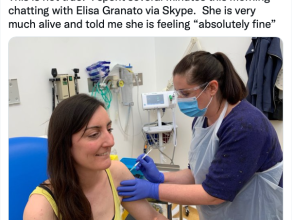
When microbiologist Dr. Elisa Granato volunteered to be the first recipient of a trial vaccine for Covid-19, she didn't expect to be declared dead afterwards on social media!
In the aftermath, she spent several days trying to convince the world that she was - in fact - alive and well, and suffering no ill effects from her injection. Despite Elisa's attempts to prove her 'aliveness', she still continued to receive communications accusing her of being dead. Some even believed that all of her denials were somehow pre-recorded, as part of a conspiracy.
In response to this story we worked with Elisa to create a drawing, a film, a letter and a podcast.
Case Studies

Laura Martin: The (Fake) Fake Artist
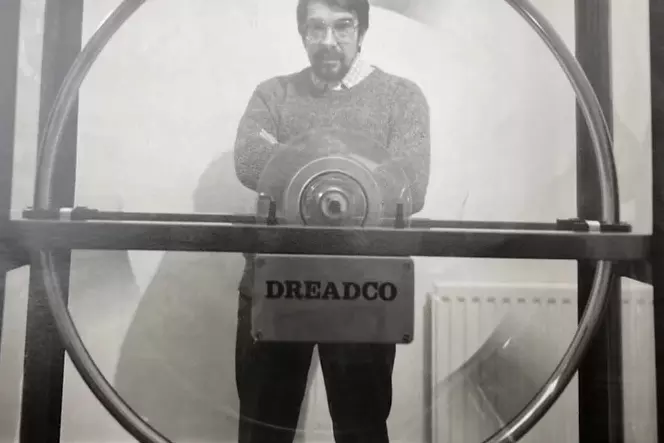
David E.H. Jones: In Perpetual Motion
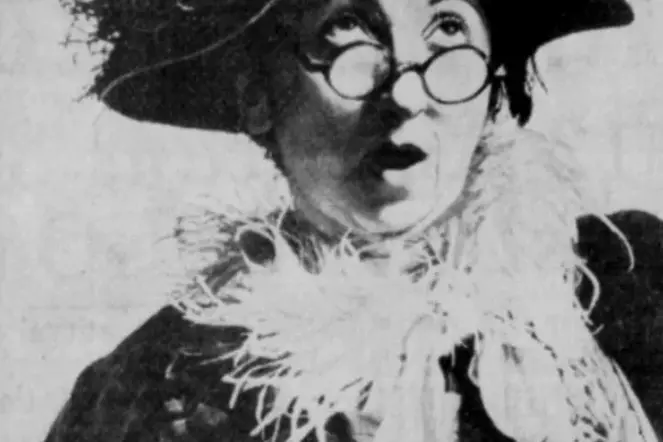
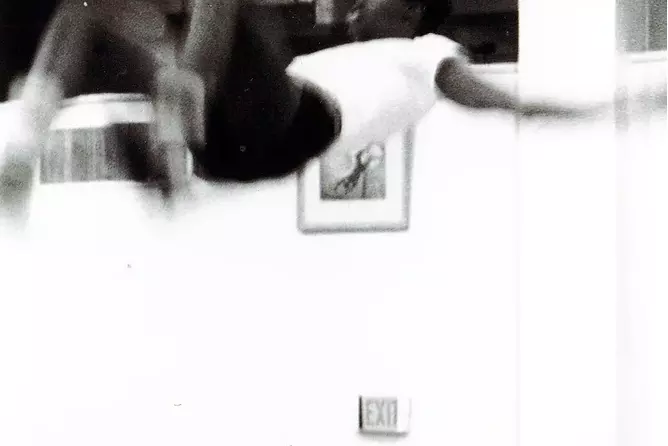

Who we are
The Museum of Revelatory Fakes (MoRF) is a partnership between Professor Patricia Kingori (the Ethox Centre and the Wellcome Centre for Ethics and Humanities) and artist Al Hopwood. Kingori is a sociologist and the PI of the Wellcome Trust funded 'Fakes, Fabrications and Falsehoods in Global Health' research project which explores contemporary concerns about fakes in global health and what processes are involved in discerning the 'real' in everyday settings. Hopwood is a visual and conceptual artist whose recent work includes the False Memory Archive and a major curatorial project, Smoke and Mirrors: The Psychology of Magic at the Wellcome Collection.
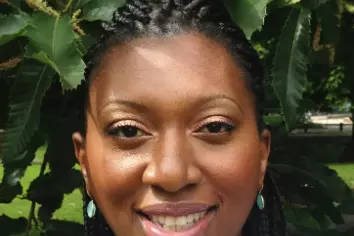
Professor Patricia Kingori
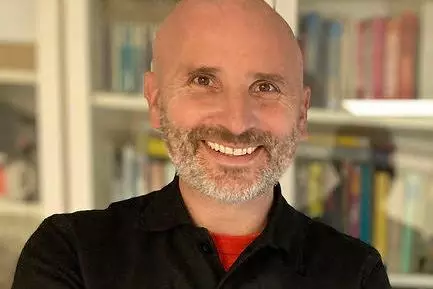
Al Hopwood
