
IF at the RSC
New fellows explore the big questions facing the creative and cultural sector
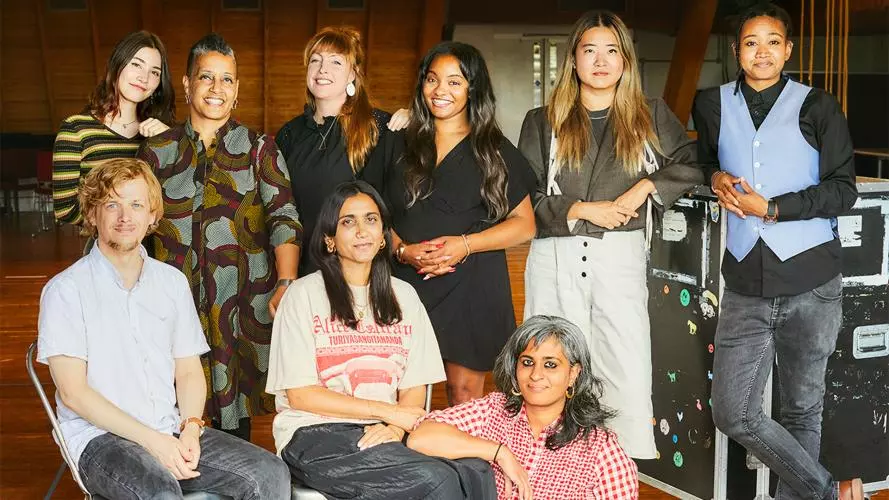
From AI to the role of the artists in social change - nine fellows are leading an international research programme to explore the future of creative and cultural practice.
As part of the programme launched by the RSC and supported by UK Research and Innovation (UKRI) Arts and Humanities Research Council (AHRC), each fellow will focus on a research theme that responds to the biggest challenges faced by the creative industries and wider society today.
In collaboration with seven global organisations, their research will explore some of the biggest questions facing the creative and cultural sector today, and the changes needed for its development, future economic growth and survival, including:
- Trust and reality in the age of AI
- Change-making within creative institutions
- Integrating traditional and innovative workflows
- Places where ‘liveness' happens - from stage to site-specific to the metaverse
- Immersive exhibitions and best-practice for co-creation with audiences
- Approaches to storytelling in an immersive landscape, and
- The role of the artist as an agent of social change in the archive.
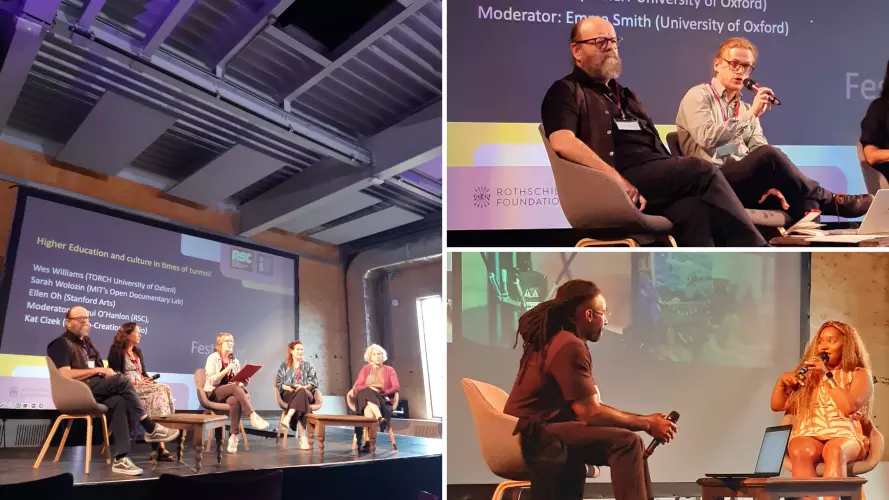
Following their research period, the fellows will come back together in Stratford-upon-Avon in summer 2025 for a Festival of Ideas, supported by a grant from the Rothschild Foundation, where they will share their research findings and potential opportunities for the sector. You can follow the progress of their research on the Interdisciplinary Fellowship website.
The project is led by the Royal Shakespeare Company and includes the following partners:
In America
- Massachusetts Institute of Technology (MIT)
- Stanford University
- The Music Centre, LA
- Brooklyn Academy of Music
In the UK
- Royal Shakespeare Company
- Watershed
- Factory International
- University of Oxford
News

People
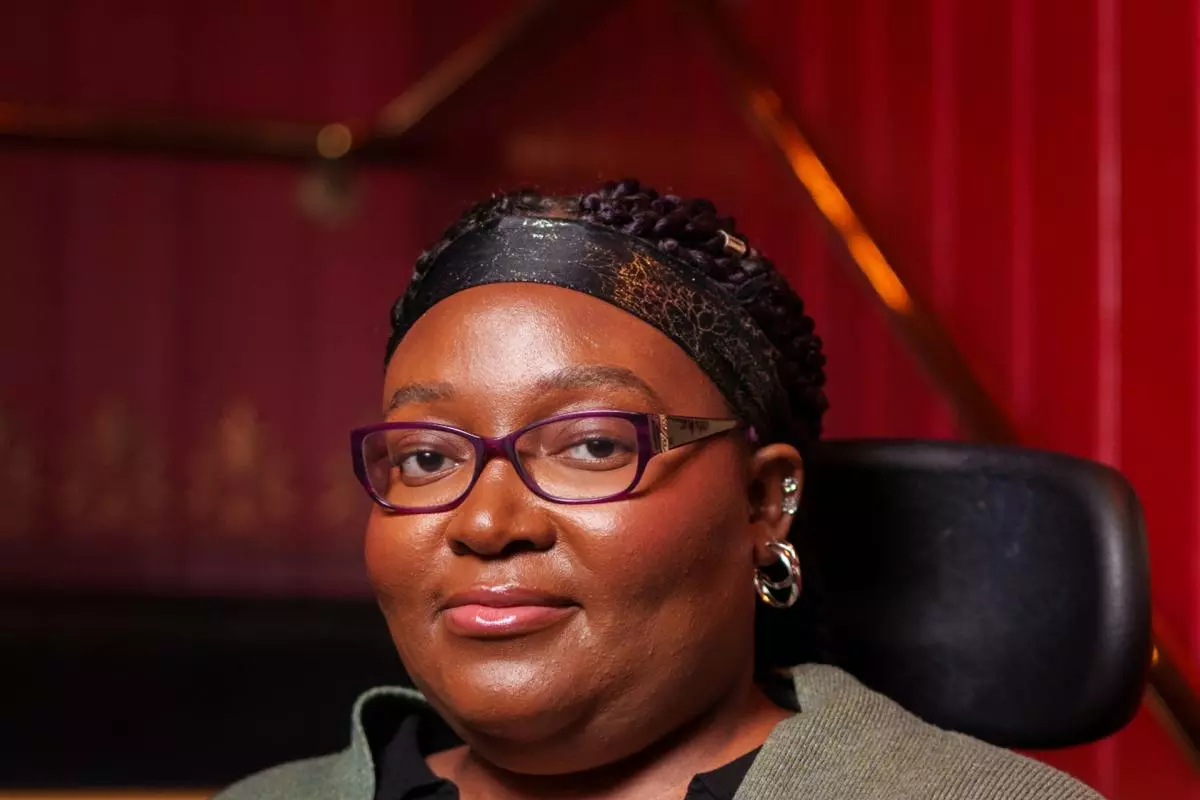
Matilda Feyiṣayọ Ibini
Fellow 2025-26
Matilda Feyiṣayọ Ibini is a multi-award-winning, bionic-disabled playwright, author and filmmaker of Nigerian heritage. Matilda was awarded a scholarship from BAFTA and Warner Bros to study a Masters in Playwriting & Screenwriting. Matilda was selected as a Star of Tomorrow 2020 by Screen Daily Magazine, a feature film screenplay they co-wrote was selected as part of The Brit List 2020; alumni of BFI Flare x BAFTA 2023 mentoring programme; and Inevitable Foundation x Loreen Arbus Elevate Collective Award Grantee 2024.
Taio Renee-Lawson
Taio Renee-Lawson is Artistic Director of the Bush Theatre. He has been Genesis Fellow & Associate Director at the Young Vic, and Associate Director of Kiln Theatre. He aims to make work that is political, polemical and pastoral, focusing on genre-bending stories that centralise the experiences of black characters but push beyond identity politics.

Amahra Spence
Fellow 2024-25
Amahra Spence is an artist, curator, convener, strategist, researcher, systems designer and spatial practitioner. Inspired by social sculpture, her practice commits to infrastructure building, spatialising dream work, resource redistribution and platforming radical imagination as tactics for emancipation from systems of violence. She is most passionate about co-creating worlds and architectures that safeguard the resistance, joy and collective imagination of oppressed peoples globally.
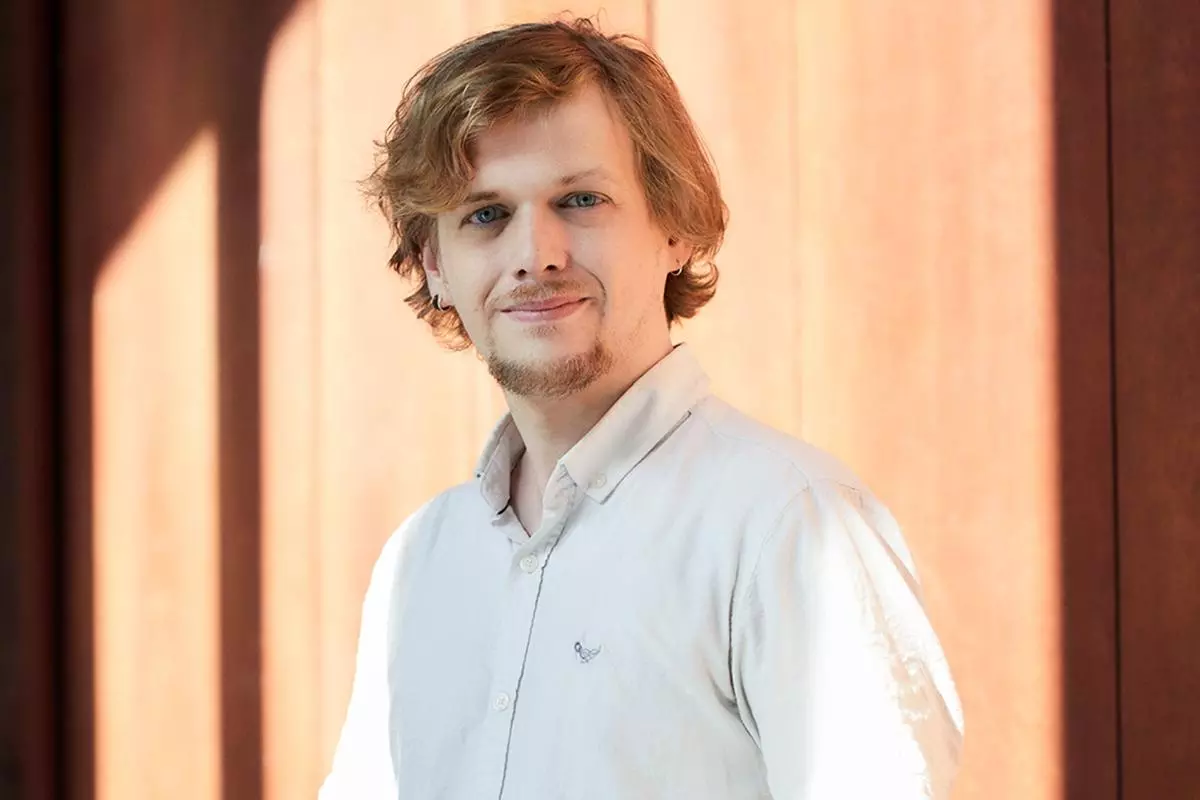
Stephen Bailey
Stephen Bailey is an award-winning director, producer, dramaturg and theatre-maker who works in both the UK and the rest of Europe. He won the Royal Theatrical Support Trust Sir Peter Hall Award for his production of The Real and Imagined History of the Elephant Man at Nottingham Playhouse. He is interested in subverting and evolving non-disabled structures, and challenging venues and audiences.
Professor Wes Williams
Wes Williams' main research interests are in the field of Renaissance and/or early modern literature; he has written a book on pilgrimage writing, and continues to explore travel narratives of various kinds across the period. He is now writing a book on monsters and their meanings from, roughly, Rabelais to Racine (by way of Shakespeare, Montaigne and a few others). He also works on European film, and in the theatre as a writer and director.
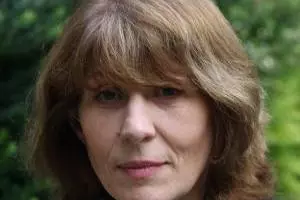
Professor Christine Gerrard
Co-academic lead
Christine Gerrard is the Director of TORCH. Her main areas of research are eighteenth-century political literature, and women's writing of the long eighteenth century. She is currently completing an edition of Jonathan Swift, The History of the Four Last Years of the Queen and related writings from the Queen Anne period for CUP, and an article on Swift and Robert Walpole. Her most recently published work is on eighteenth-century women and memory, with a particular focus on Irish women's writing, especially the circle around Swift.