

Humanising the Discourse around Dementia (Draft)
A half-day round table event on Thursday 18 March 2027 Schwarzman Centre, Seminar Room 00.063
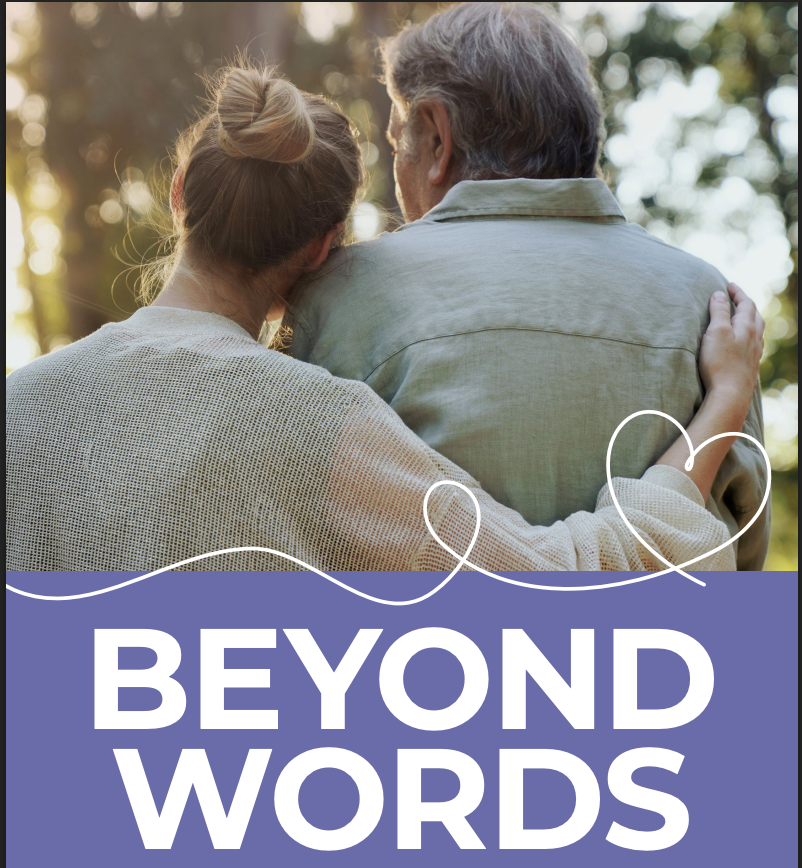
Image Credit: University of Warwick
Why this event?
Dementia reaches into our lives, directly or indirectly, and touches increasing numbers of us, as we live longer and survive into old age. No surprise then that dementia seems to be constantly in the news – what the latest drug trials seem to promise; the steps you can take to prevent dementia; tests to determine whether you are likely to have dementia, and so forth: a mixture of pharmaceutical optimism and imminent personal threat.
Meanwhile, Baroness Louise Casey, Chair of the independent Commission on Adult Social Care, says that our society is in denial about getting older and that we avoid having difficult conversations about becoming frail and needing support.
What is often missing from the public discourse is a conception of dementia that allows us to think differently about selfhood and relationships, to be explorative, playful, curious as well as deeply compassionate.
This round table event, organised and hosted by the Medical Humanities Hub of Oxford University, will be an opportunity to hold a collective conversation about how we might develop a more nuanced and humanistic discourse about a disease that in some ways has become emblematic of the dynamic tensions between medical, pharmaceutical, psychiatric, philosophical and lay communities.
The programme
The event will start with a presentation of the booklet Beyond Words, which was co-authored by Dr Lesley Saunders, an independent writer and researcher, and Professor Liz Barry of the University of Warwick. The work came about after Lesley – who was caring for her husband – came across Liz’s academic work, which provided exactly the humane and thoughtful ideas she was looking for. The booklet is based on Liz’s research plus the lived experiences of many individuals and organisations, and is designed to help carers and family members (re)create their relationship with people living with dementia who may not communicate through words. It focuses on creating and sustaining empathy and intimacy through gesture, tone of voice, facial expressiveness, improvising and ‘tuning in’ to the other person in the present moment. Both Oxfordshire County Council and the Eleanor Care Group are actively supporting and promoting the booklet and using it in their training.
Professor Barry will then talk about her work on ageing and dementia in particular, and outline how her forthcoming book addresses the perception of time in older age, and why this can be so central to our experience and wellbeing. People living with dementia can struggle to orient themselves in time, but also continue to use and appreciate forms of ‘organized time’ such as music, poetry and the rhythms of conversation itself (with or without language). This short talk will explore these phenomena through writing from lived experience, philosophy and literature.
Dr Saunders will talk about her work exploring the affinities between the language of poetry and the speech acts of people with dementia, and she will read from her new book of poetry, Broken Or Unbroken, It Is All One.
A panel of individuals from different specialisms will be invited to respond to the presentations, before the discussion is opened to contributions from everyone.
The speakers
Liz Barry is a professor in Literary Studies at the University of Warwick, specialising in medical humanities, and in particular the representation of ageing and the end of life in modernist literature and thought. Liz’s research has opened up new ways of thinking about communication in care, and in particular about how to enhance the interactions between people with dementia and their care-givers.
Lesley Saunders is a researcher, scholar and poet. She was the main care-giver for her husband who was diagnosed with Alzheimer’s disease in 2021 and is now being looked after in a residential care home in Oxfordshire.
Panel of respondents:
TBA